



95 products



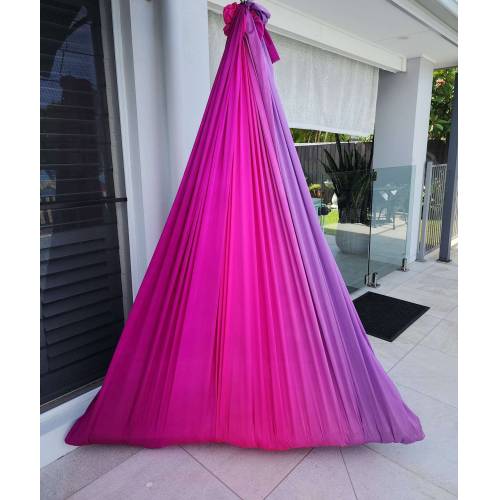
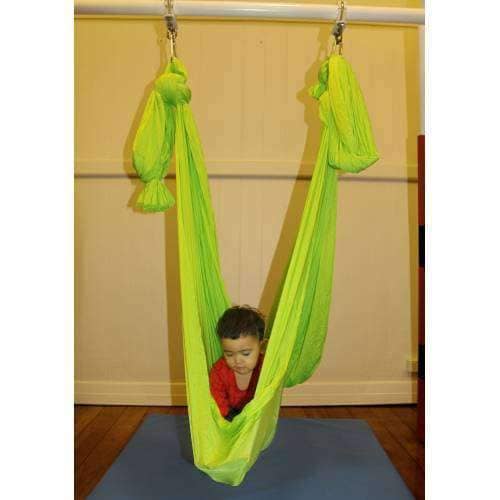

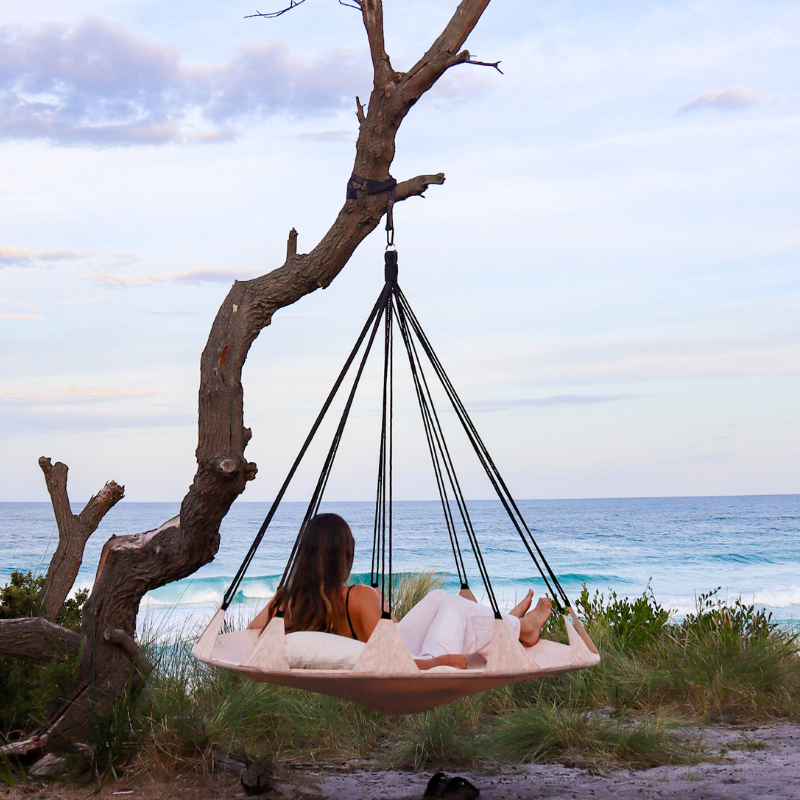



Showing 28 of 95 products
Using NDIS funding?
We supply plan-managed and self-managed participants and can quote or invoice your plan.
Get an NDIS quoteShop Sensory Swings in Australia
A sensory swing gives calming movement and a gentle hug in one. Our range covers wrap swings, pod swings, nest swings and full stand sets, for indoor and outdoor use. Hang one from a ceiling beam or set it up on a freestanding stand.
Families, schools and therapy rooms across Australia use our swings for calm-down time, play and everyday sensory needs. Compare the styles below to find the right sensory swing for your child or the person using it.
Shopping for an adult? See our adult sensory swings, with larger sizes and higher weight ratings.
What Is a Sensory Swing?
A sensory swing, also called a therapy swing, is a swing built to give the body steady sensory input. It works in two main ways:
- Deep pressure: Stretchy or enclosed swings wrap around the body. Many people find this firm, even pressure calming, like a big hug.
- Movement (vestibular input): Swinging, rocking and spinning work the sense of balance and motion. This can help with focus, coordination and settling the body.
That's why occupational therapists (OTs) often suggest a sensory swing for children with autism, ADHD or sensory processing differences. Many families also simply use one as a quiet, cosy spot to unwind.
Shop Sensory Swings by Type
Wrap Swings
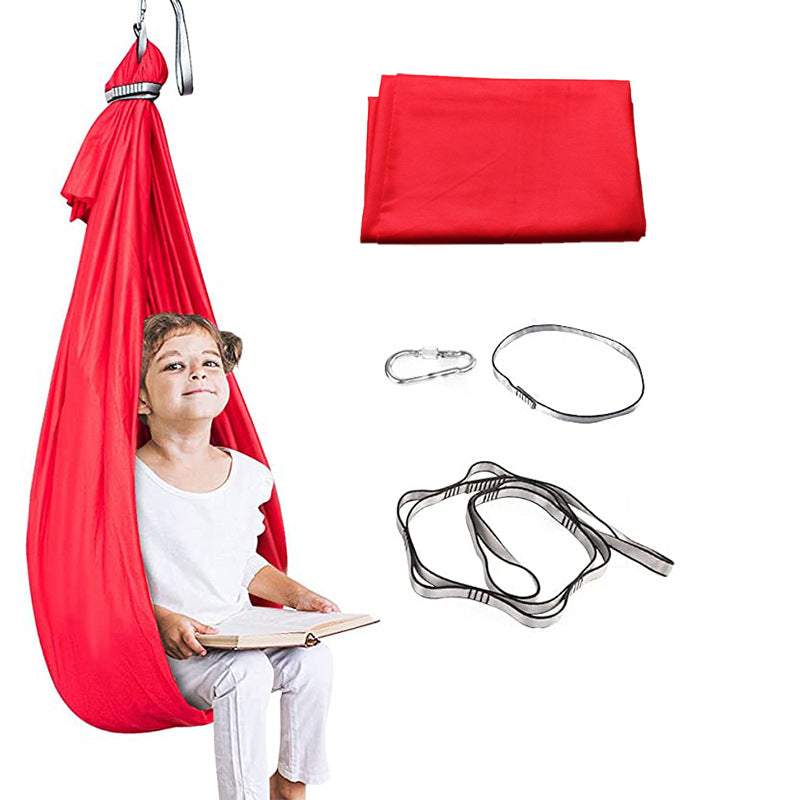
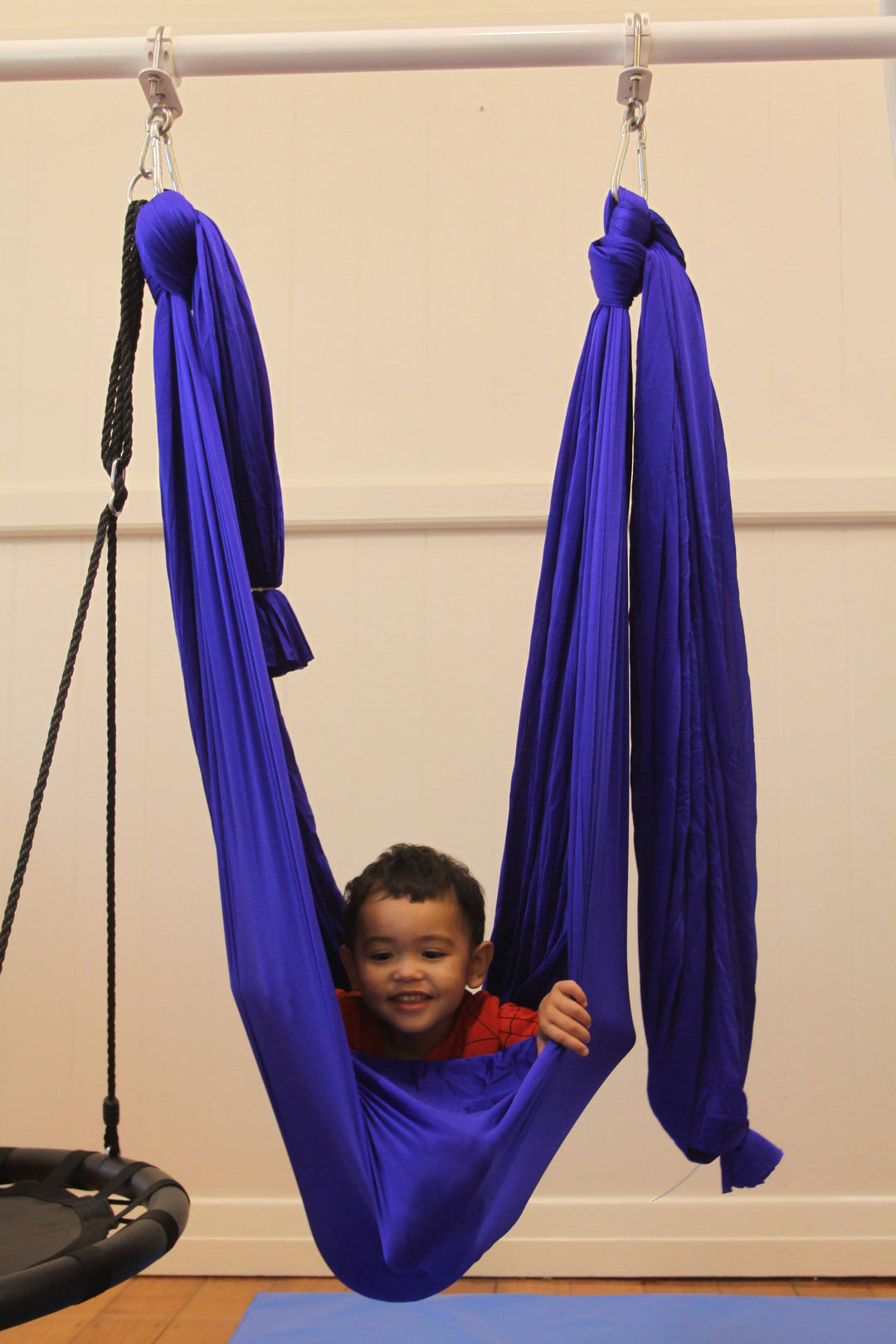
Wrap swings use soft, stretchy fabric that hugs the body. They give gentle movement and deep pressure, and they fit small indoor spaces. Many families hang a wrap swing from the ceiling in a bedroom or calm-down corner.
Pod Swings
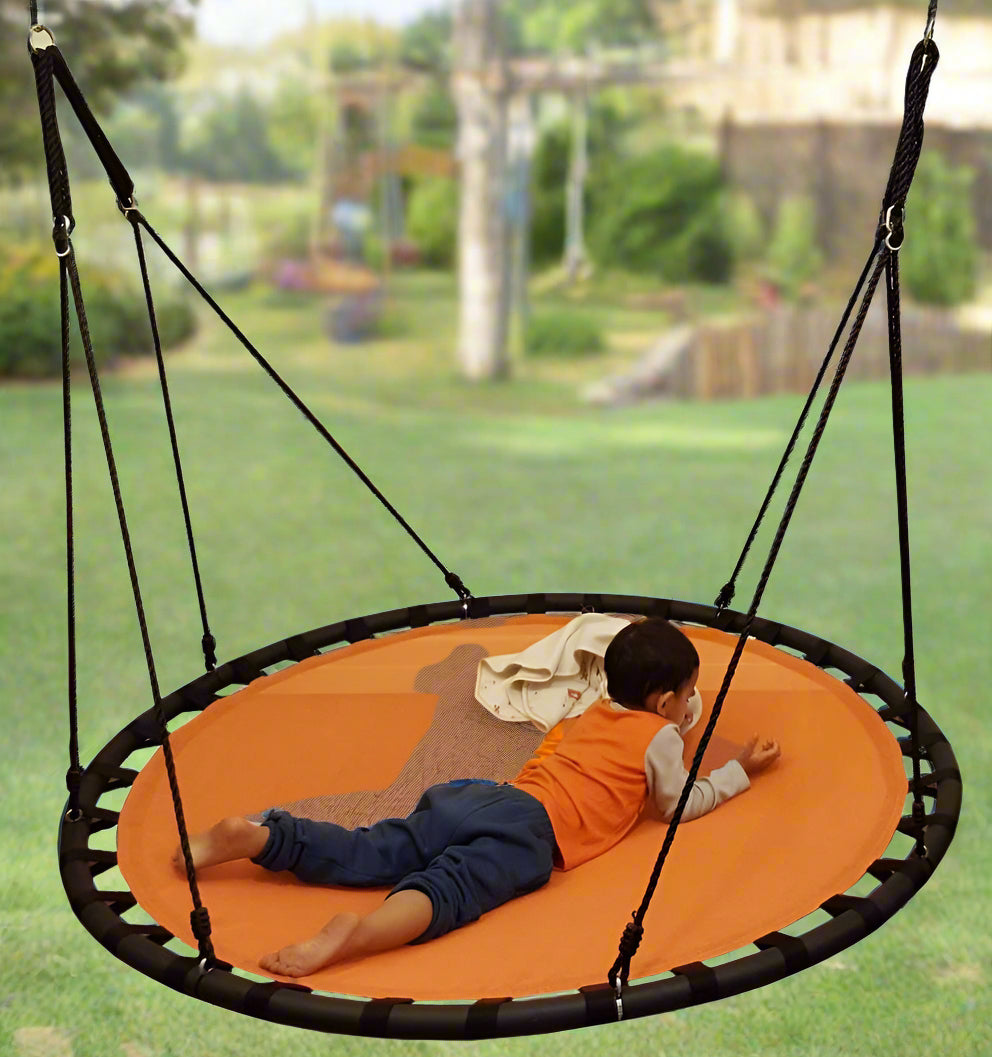
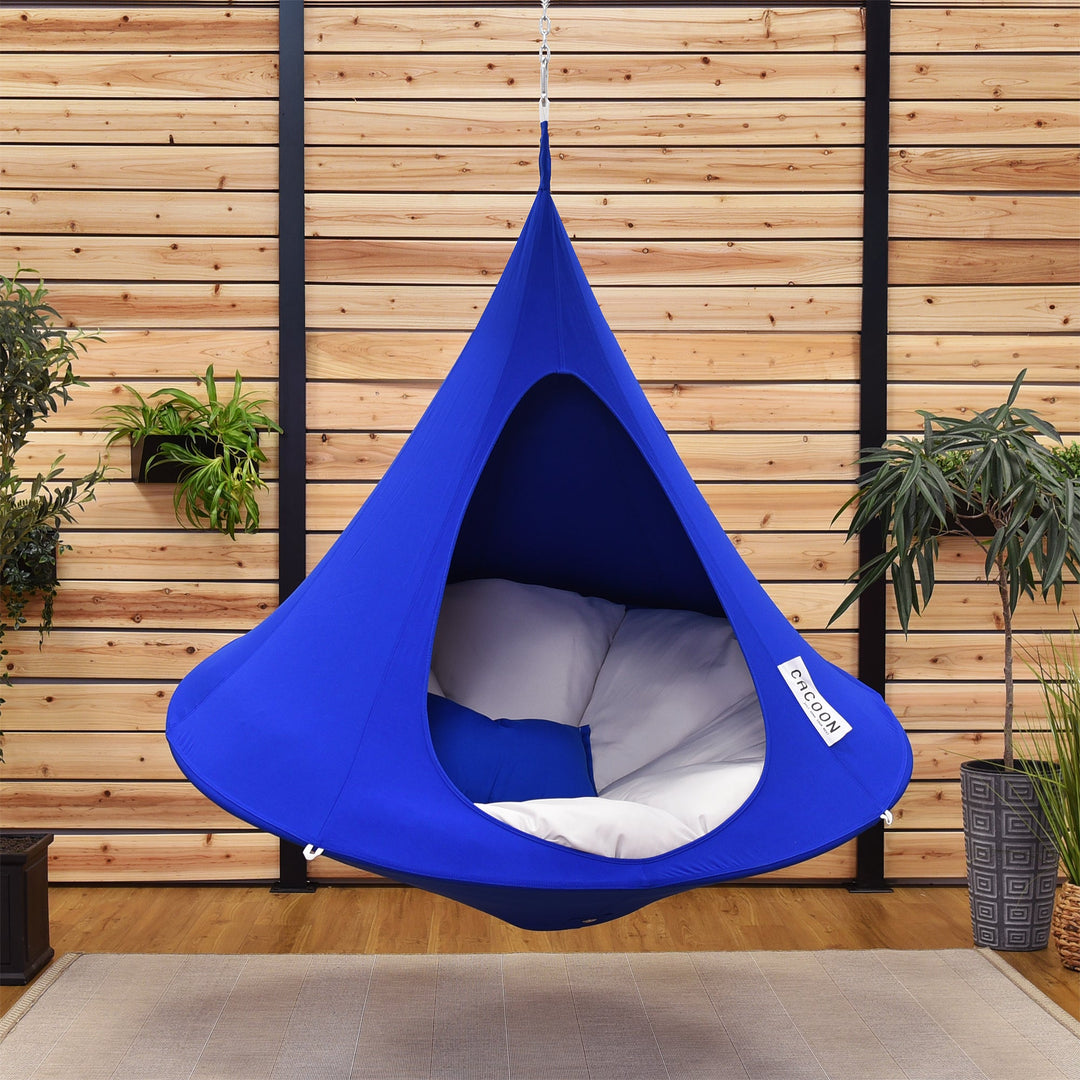
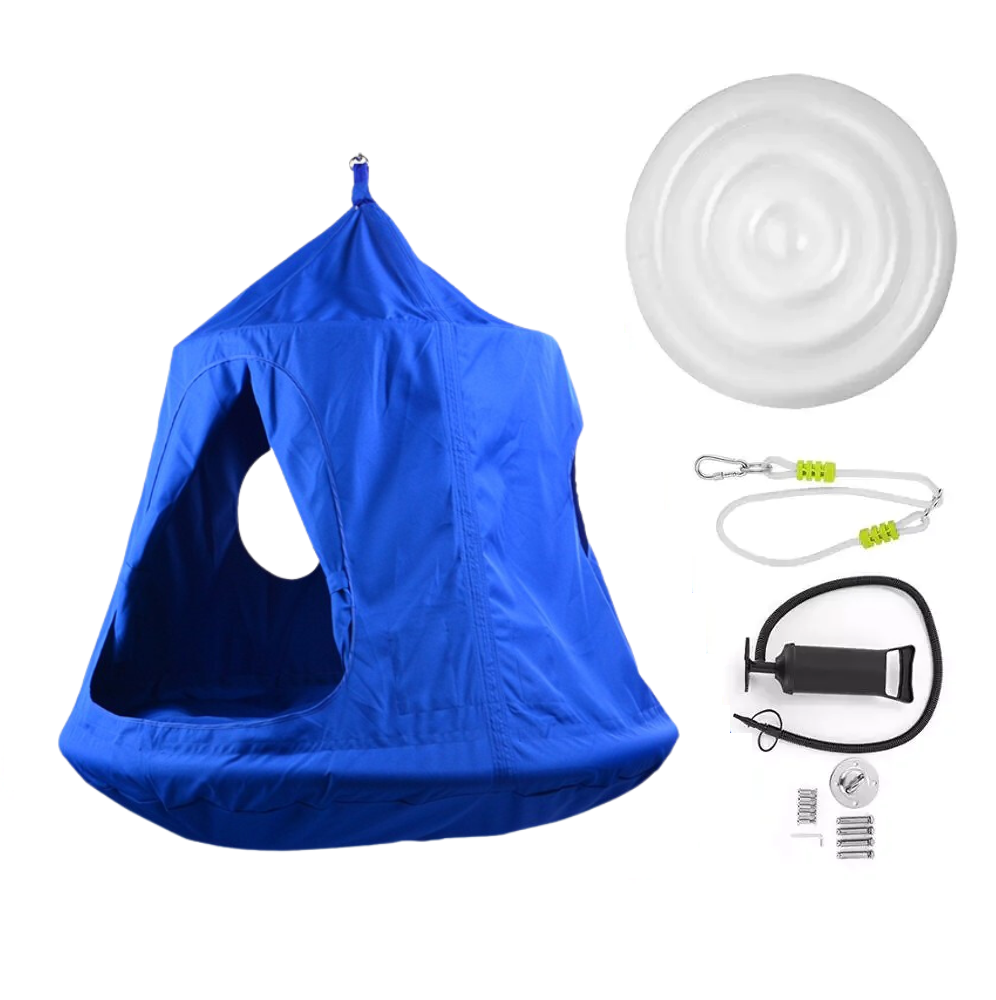
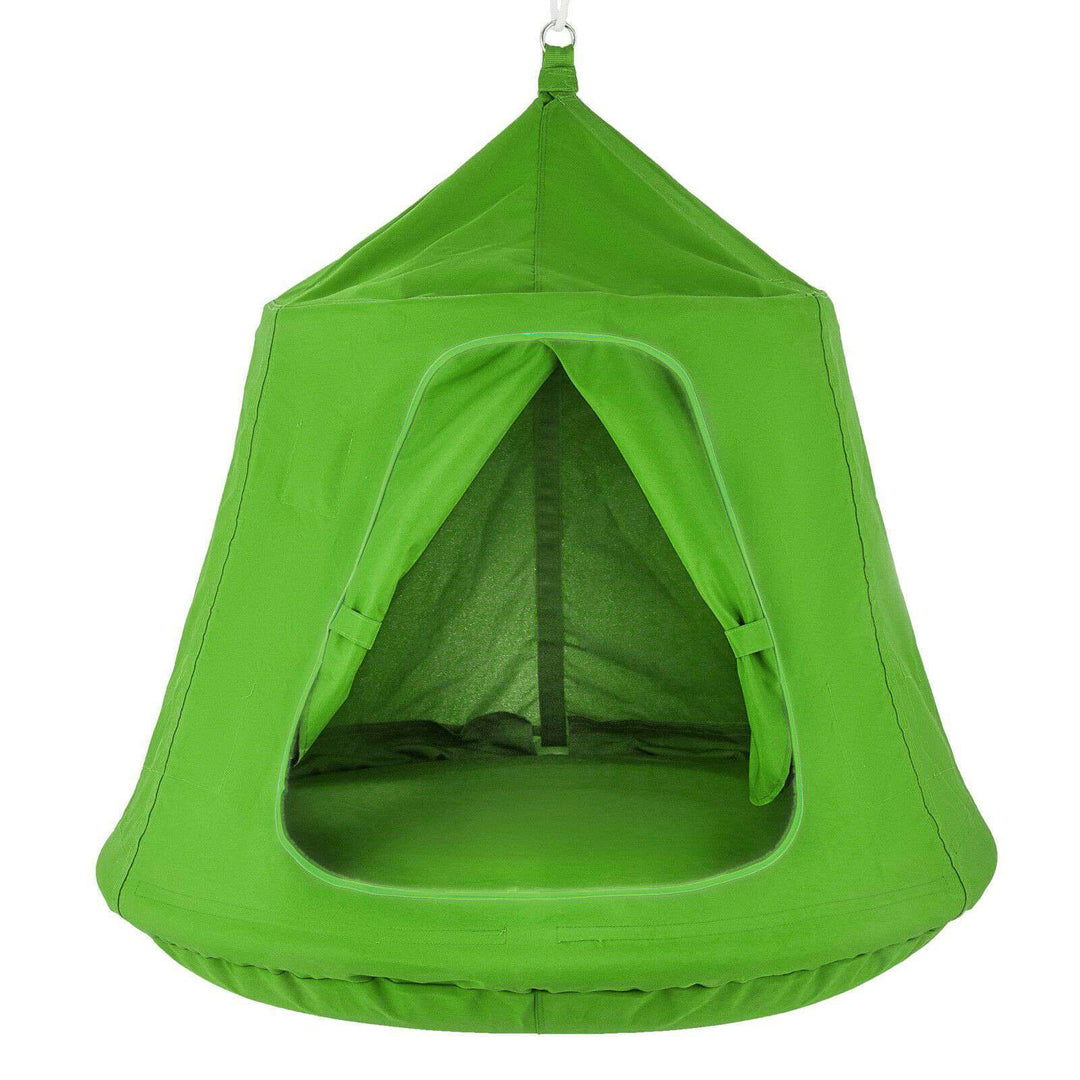
A pod swing is a stable seat that wraps partway around the user. It fits easily in a bedroom, playroom or therapy room. The kids pod swing is our most popular size, and larger pods suit teens. Browse our pod swings.
Nest Swings & Larger Seats
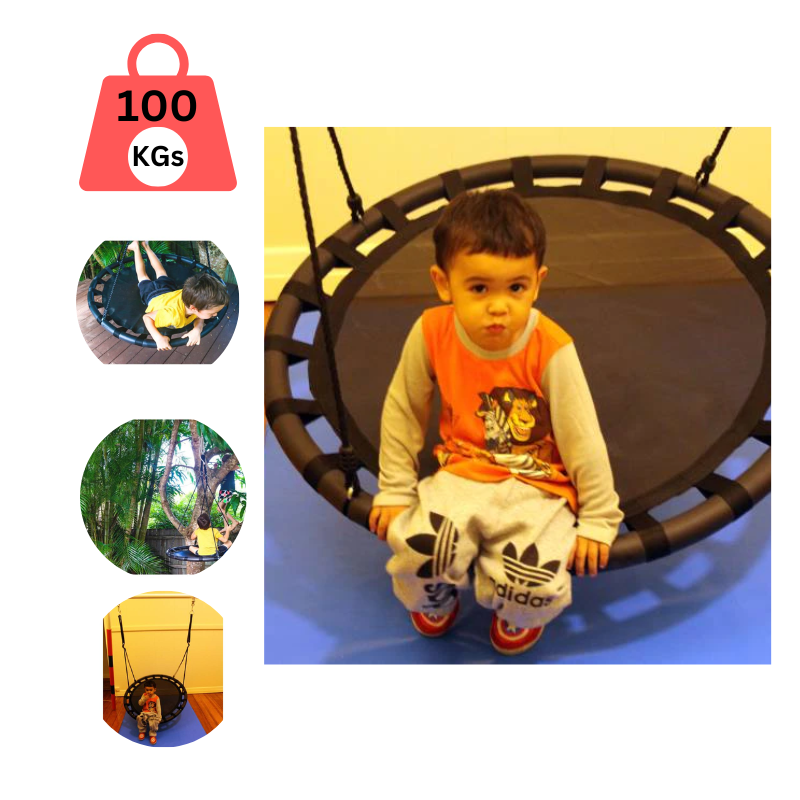
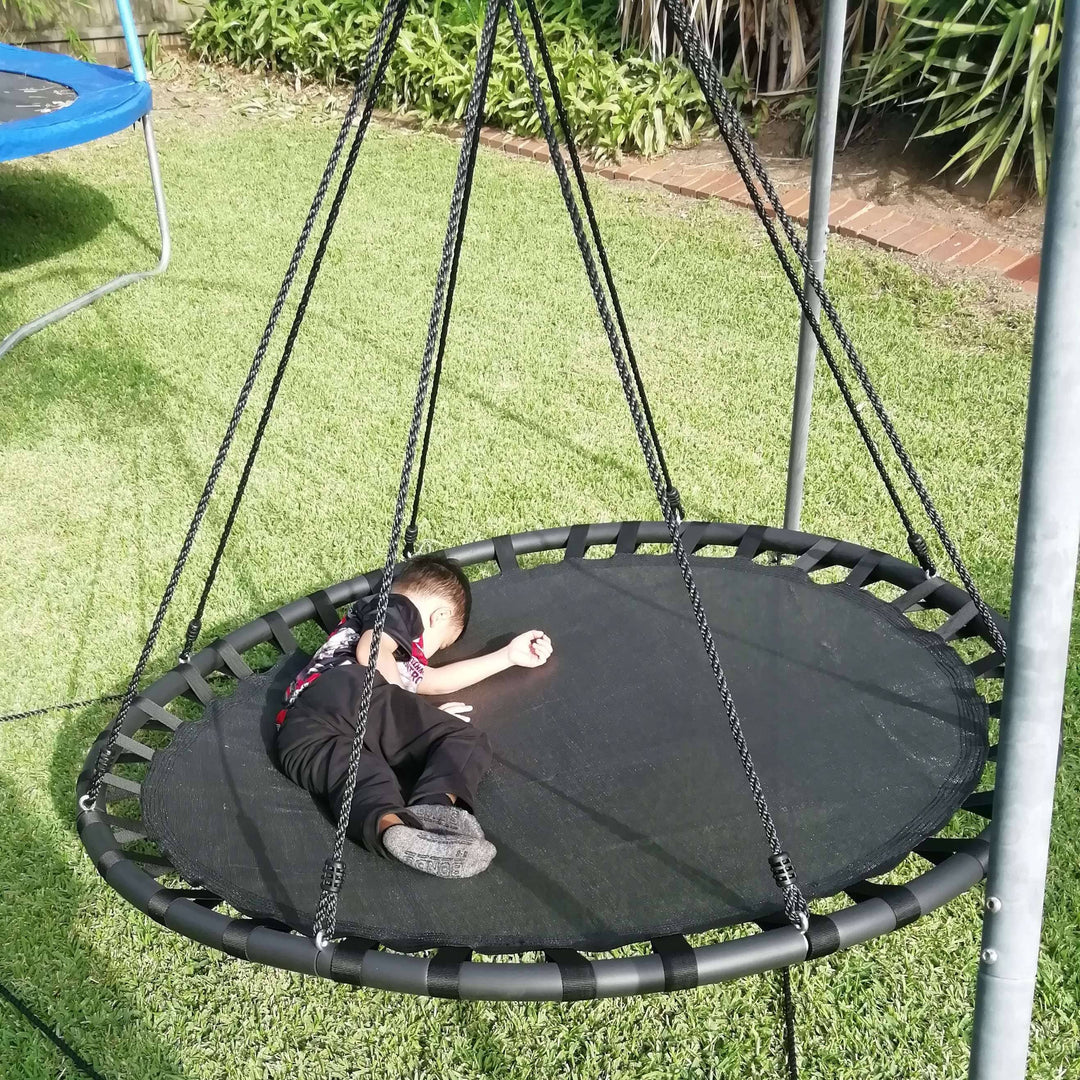
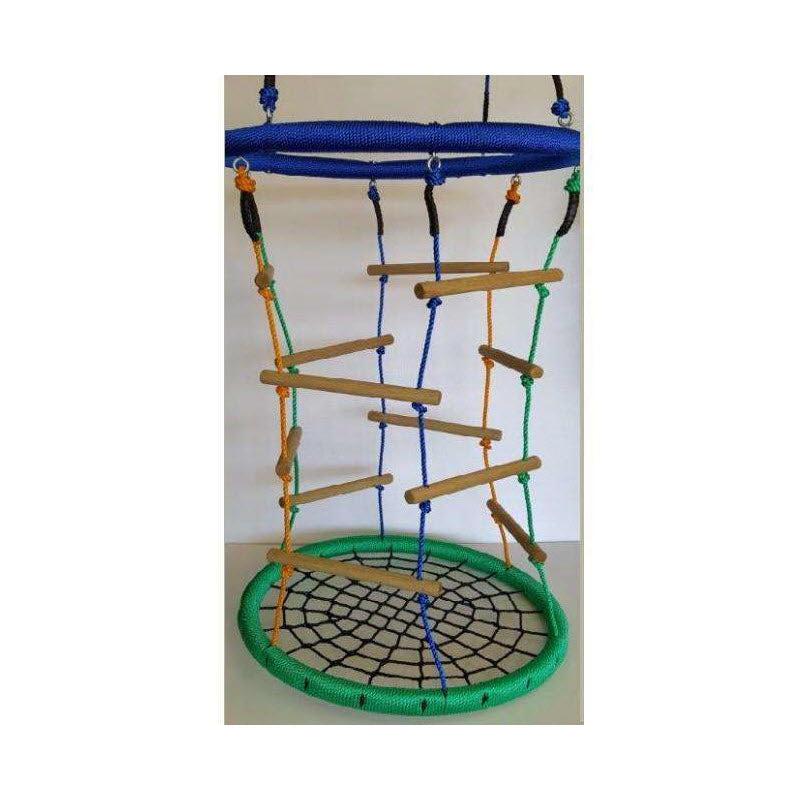
A nest swing has an open seat with room to sit or lie down. Bigger nest swings work well in the backyard as an outdoor sensory swing the whole family can share.
Swings with Stands
No ceiling beam? A freestanding frame needs no drilling. You can set it up indoors or outdoors, so it suits renters too. Browse our sensory swing with stand sets.
Frames & Hanging Hardware
Already have a swing? Hang it safely with our swing frames, ceiling mount kits and swivels & carabiners.
How to Choose the Right Sensory Swing
Start with who will use it and where it will go. Then match the swing style to their needs and your space. Before you order, check the product page for the weight limit, seat style and setup.
| What to Check | Why It Matters | Our Tip |
|---|---|---|
| Age & Weight Limit | Safety comes first. OTs say to check the weight limit, especially for older kids and teens. | Check the rating on each product. For bigger users, see our adult sensory swings (up to 150kg). |
| Fabric | Each fabric feels very different on the body. |
Lycra/Nylon: Stretchy, with a firm hug (deep pressure). Cotton/Canvas: Soft and steady. Great for reading or rest. |
| Indoor or Outdoor | Sun and rain wear out fabric and hardware faster. |
Indoor: A ceiling mount or compact stand. Outdoor: Weather-resistant fabric and a strong frame. Bring the fabric inside when not in use. |
| Therapy Goal | Each swing suits a different goal, such as calming, movement or motor skills. |
Wrap swings: Spinning and movement (vestibular input). Pods: Calming down and managing big feelings. |
Setup & Safety Tips
A safe install keeps the user safe. Read our guide on how to install a sensory swing and avoid common mistakes. Then follow these simple rules:
- Use a solid fixing point: Fix ceiling hooks into a solid timber beam, joist or concrete ceiling. Never fix them to plasterboard alone.
- Add a swivel for spinning: If the swing will spin, you must use a heavy-duty swivel. A fixed hook will wear out the fabric and hardware.
- Leave clear space: Keep space around the swing so it can't hit walls or furniture.
- Check it often: Look for wear on the fabric, stitching, carabiners and fixing points.
- Stay close: Always supervise children and anyone who needs support while swinging.
- Disclaimer: You are responsible for installing your swing. If you're unsure, hire a qualified handyperson. This is not medical advice. Talk to an OT when choosing a swing for disability or therapy use.
NDIS Funding & Support
Some NDIS participants can use their plan for a sensory swing, usually under Low Cost Assistive Technology. It needs to link to their plan goals and meet the NDIS "reasonable and necessary" rules, and an OT's recommendation helps. Funding isn't guaranteed, so check with your plan manager or support coordinator first.
- Need help with paperwork? Read our NDIS Guide for current invoicing details.
- Want help matching a swing to your plan goals? Contact us.
Sensory Swing FAQs
What is a sensory swing used for?
A sensory swing gives deep pressure and calming movement. People use one to settle down, take a sensory break, build balance and coordination, or just relax in a quiet spot.
What age is a sensory swing for?
Our range starts with small swings for young children and goes up to teen sizes. Always check the age and weight rating on the product page. For adults, see our adult sensory swings.
Can I use a sensory swing indoors and outdoors?
Yes. Wrap and pod swings suit indoor rooms. For outdoor use, choose weather-resistant fabric and a strong frame, and bring the fabric inside when it's not in use.
Do I need a ceiling beam to hang a sensory swing?
No. If you don't have a solid beam, joist or concrete ceiling, use a freestanding sensory swing with stand. It needs no drilling and suits renters.
Is a sensory swing the same as a therapy swing?
Yes. Sensory swing, therapy swing and autism swing usually mean the same thing: a swing designed to give calming pressure and movement.
Can I pay for a sensory swing with NDIS funding?
Sometimes. It depends on your plan and goals, and an OT's recommendation helps. We can invoice plan-managed and self-managed participants. See our NDIS Guide.
Why Shop With Siesta Hammocks?
✅ Proudly Australian Owned & Operated (ABN 98 351 143 900)
✅ 100% Secure Checkout
✅ NDIS Invoice Support Available
For delivery details, see our Shipping & Delivery Policy. For returns, see our Returns & Refunds Policy.
Support Development & Sensory Needs
Sensory swings are powerful tools for supporting balance, calming, and sensory regulation. Whether for home therapy or a quiet reading nook, our range is designed to support vestibular input safely and comfortably.
- NDIS Friendly: Eligible options for Consumables or Assistive Tech.
- Therapeutic: Assists with autism, ADHD, and sensory needs.
- Versatile: From stretchy therapy swings to cotton pods.
Common FAQs for Therapy Swings
Are all products on this page traditional sensory swings?
No. This range is much broader and includes enclosed pod swings, stretchy wrap swings, nest swings, freestanding stands, infant seats, senior seats, and related sensory play products.
How to install a sensory swing?
There are a few ways on how to install your sensory swing indoors:
Connect the hanging screw hook to the ceiling
- Connecting the hanging screw hooks
- Find a joist in your ceiling
- Installing your sensory swing
Equipment you need:
Drill
Pencil
Drill Bit
4.Draw the hole location
- Use the ceiling hanging kit to measure where you can drill the holes. Mark its holes with a pencil.
- Please note: The majority of the joists are in different sizes, so some are not wide enough to drill those four bolts.
Solution: Drill at least 2 blots along the joist. Sometimes, two bolts will be enough to support the seat.
Using the drill, drill into the joist where the pencil markings are. Drill each hole. - Clean out the drill using a vacuum, brush, or blowing into the bits. Always use a protective face shield, sunglasses to protect your eyes and not get dust in them.
- Insert the hook into the hole and screw the bolts through the ceiling hook.
- Tighten all the bolts using a screwdriver.
- Connect the carabiner to the sensory swing hook that’s already installed.
- If it’s too high from the ground, you can use a hanging chain kit to extend the seat lower to the floor.
Are sensory swings safe?
Before your child/children use the swing, pull it down as hard as you can to ensure that it’s installed correctly and can carry your child, if there’s no issue, let your child play away!
- Test the weight of the sensory swing for safety
- Hanging Sensory swing Safety instructions
- Test the weight of the sensory swing for safety
Hanging Safety Instructions
- An ideal safety precaution for hanging sensory swing is to put a mat under the sensory swing in case the child falls so it'll not result in any serious injury to the user.
- It's a must that the distance from the ground should not be more than 35 cm.
- All sensory swings are ideal for gentle swinging only and not for strong swinging.
- Always keep the area from where the sensory swing is installed free from dangerous objects such as toys on the ground, or any other object that might cause tripped over, or a nearby object that can bump the sensory swing.
- Requires adult supervision.
Additional information for adults to instruct children to:
- Dress appropriately while using the swing
- Avoid ponchos, scarves, and any loose-fitting clothing that are potentially hazardous
- Ask your child to sit in the centre with full weight when swinging alone.
Additional important information for adults to instruct children NOT to:
- Walk close to, in front of, behind, or between moving items.
- Get on/off the swing while it's still in motion
- Attach any hard objects or items to the swing.
Do Sensory swing work?
Yes, sensory swings can be very effective. They help calm the body and mind, improve balance and coordination, and support emotional regulation . Many parents and therapists find them helpful for children with sensory processing challenges, including autism and ADHD .
What is the difference between a therapy wrap swing and a pod swing?
A therapy wrap swing is usually made of stretchy fabric (like nylon/lycra) that provides deep pressure therapy and allows for bouncing and spinning. A pod swing is typically made of cotton or canvas, offering a stable, semi-enclosed space perfect for reading and calming down.
What should I choose if I do not have a hanging point in my ceiling?
If drilling into the ceiling isn't an option, start with a Sensory Swing with a Stand, or browse our standalone frames before choosing your swing.
Do these swings come with installation hardware?
Most of our swings include basic hanging hardware (like ropes and carabiners), but specific ceiling mounts (like concrete bolts or wood screws) may need to be purchased separately depending on your home's ceiling type. Always check the individual product description for exactly what is in the box.
Which options are suitable for adults?
Adult suitability depends entirely on the individual product’s physical size and weight capacity. Please compare each listing carefully rather than assuming the whole range is adult-rated. To make it easier, you can browse our dedicated Adult Sensory Swings category.
Let customers speak for us
Comfortable cushion, great service!
I ordered a new cushion for my very old and tired egg chair. I was delighted the cushion turned up in only 3 or 4 days, and it looks great. Perfect timing for spring - I can now retire to my comfortable chair with my book in the sunshine. Very pleased!
Leanne
Hangout Hanging Nest with Hammock Dream Chair Stand
Hideout hanging tent
My son absolutely loves his hanging tent, he is in there all the time, and it has been a great space for sensory regulation.
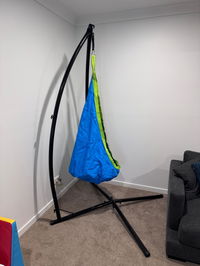
Sensory swing with stand
Extremely happy with the sensory swing and stand that we ordered through siesta hammocks, it’s great quality and very durable. My son loves it!
Stuart
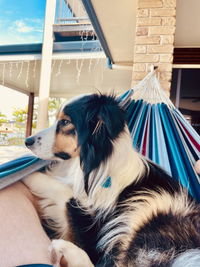
Double Size Brazilian Hammock in Cerulean Colour
Great hammock and fantastic delivery
I have struggled to find hammocks long enough to fit between my two veranda columns. These are perfect, longer than most, well made and bloody comfortable 😂
Delivery was within two days and I ordered on a Sunday AAA+++ rating on all aspects.
PS the dog loves it too 🍻
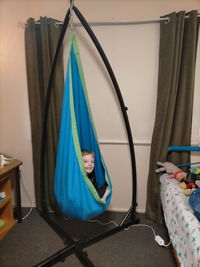
Excellent
Very happy with this product. Thank you
Kimberley Kidd
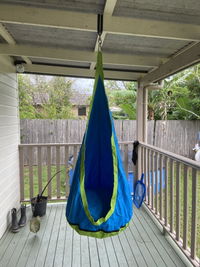
Blue Waterproof Outdoor Sensory Swing Pod Chair
Great little pod
easily hung and amazing materials very durable . Kids love spinning and swinging in it.
Amazing!!
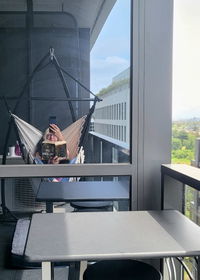
I bought this hammock chair with the frame and absolutely love it! It is great on my balcony, and I spend many hours reading my book in it. Absolutely love it!! Super comfy, roomy and my new chill out zone at home ❤️
Love this place good customer service
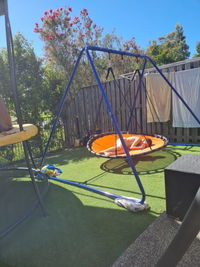
Love this place good customer service always answers my emails back straight away and always been so helpful I've bort like 5 things thru them my son loves it thanks guys will be getting more stuff soon!

Great service
Very helpful and prompt service. Great product.

Bench chair swing
Excellent quality very well made and designed. Looks great and feels very comfortable to sit on, swinging is fun and can add cushions to back and front for more comfort.

Great quality, loads of fun!!!
We absolutely love our 150cm Mat Nest Swing! It’s sturdy, spacious and so much fun. The stand was easy to set up and it looks great in our outdoor playground. Perfect for our students to relax, swing and enjoy time outside. Great quality and excellent value for money. Highly recommend!

Bench cushions
We’re very happy with our beautiful cushions! So well made and beautifully packed. A great place to sit and admire our bush outlook! Couldn’t be happier!! 😊😊
I have a photo but couldn’t find a link for it.

Perfect and calming birthday present for my son

Excellent
Size, colour, fit -- all exactly what we had hoped for.

Great Swing
Well made, love that the padding on the side is covered by the fabric so it won't perish fast outdoors.


