

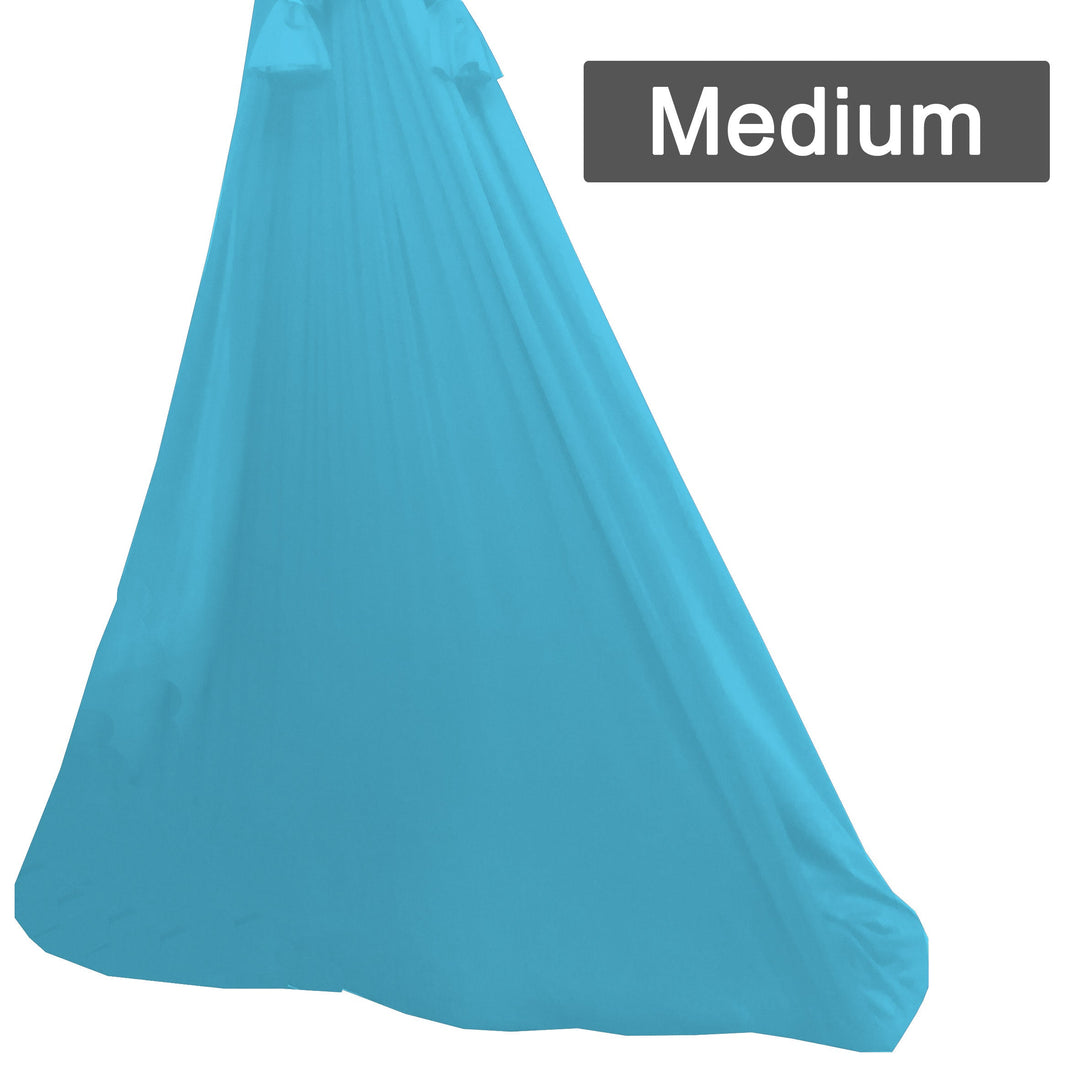
Find the Perfect Sensory Swing Setup
Shop sensory swings, pod swings, and stand sets for kids, teens, and adults. Our range brings together wrap swings, enclosed pod swings, nest-style seats, and freestanding options so you can compare and find the right setup for your space and the user's specific sensory needs.
Not every product here is the same kind of swing. Some options are enclosed and cocoon-like for deep pressure calming, some are open and seat-based for vestibular input, and others are sold with a heavy-duty frame for homes that do not have a suitable ceiling hanging point.
Which Type of Swing Suits Your Needs?
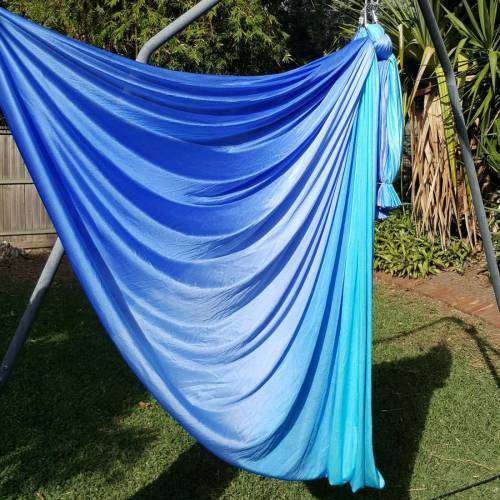
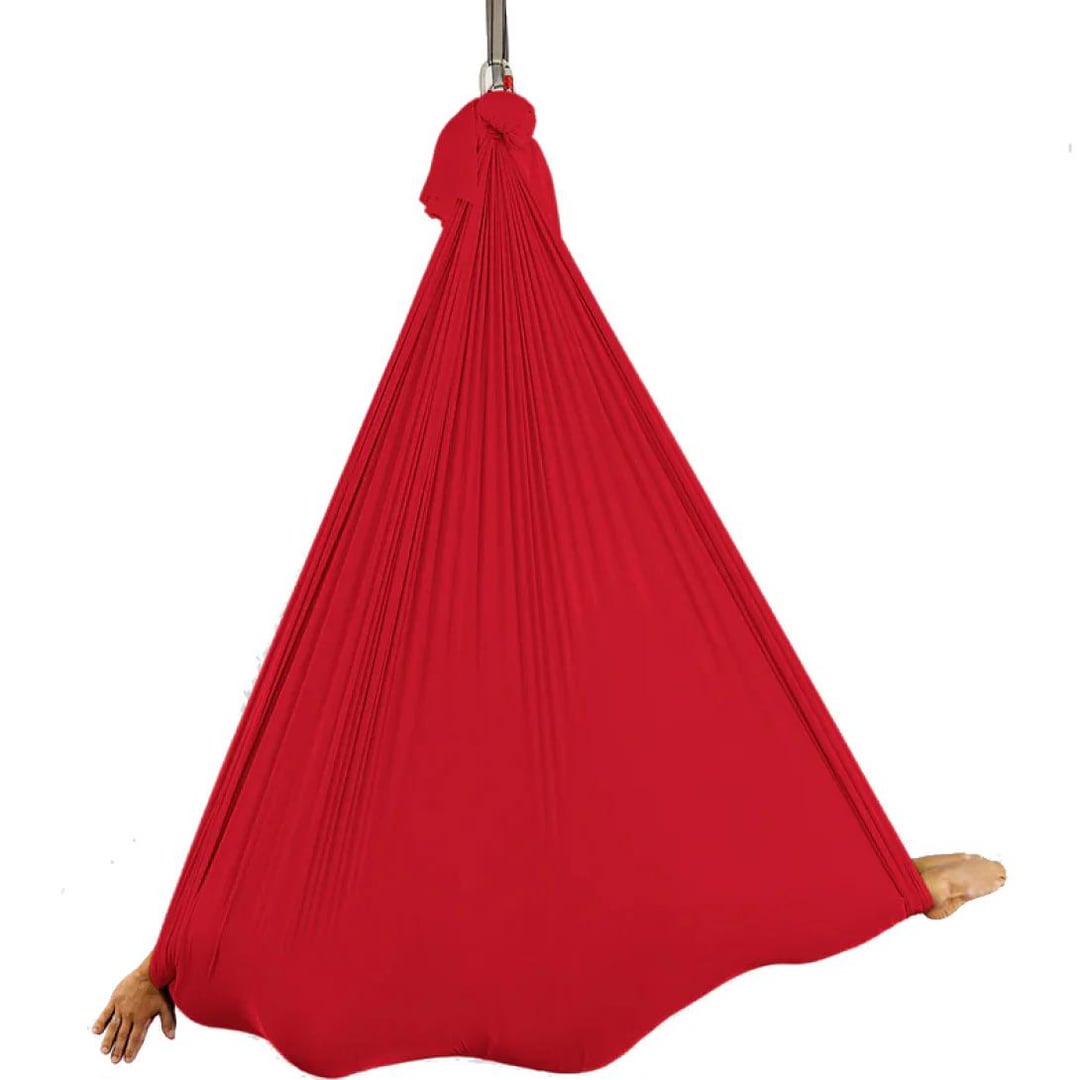
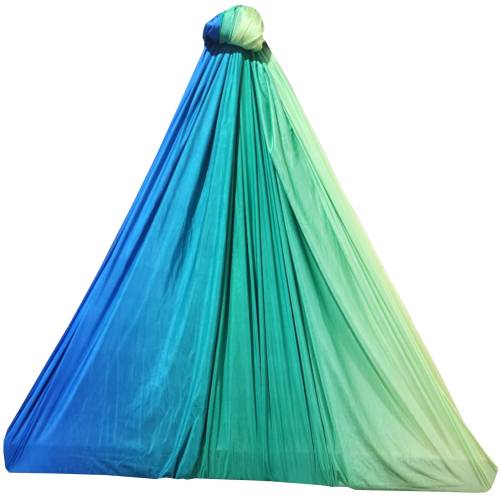
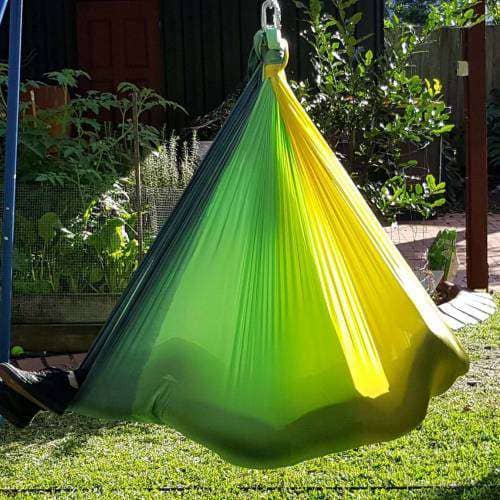
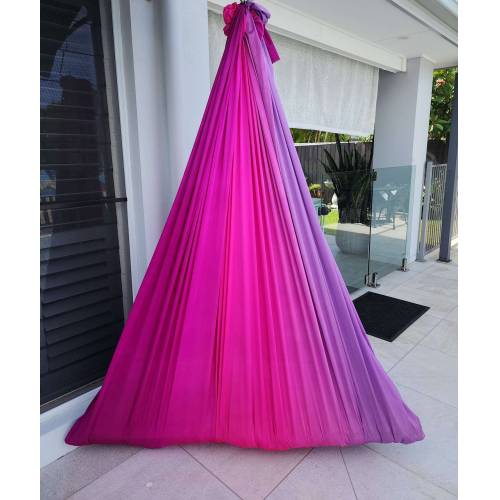
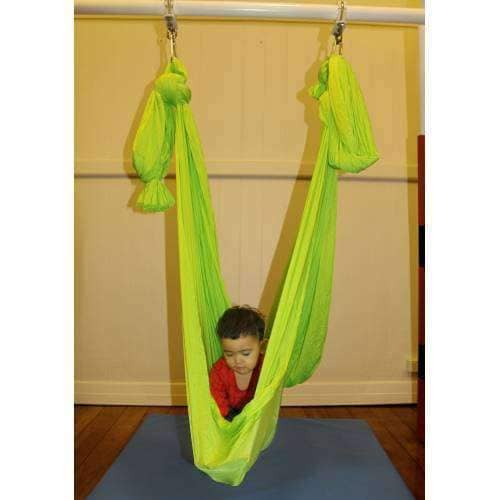
Wrap-Style Sensory Swings
A highly practical option when you want a softer, more enclosed swing style for gentle movement, deep pressure therapy (the "hugging" effect), and a smaller indoor footprint.
Sensory Pod Swings
Useful if you want a stable, semi-enclosed seat that feels visually tidy and is easy to place in a bedroom, playroom, or sensory support space. Browse our Sensory Pod Swings.
Nest Swings & Larger Seat Swings
Better suited when you want a more open swing seat, extra room to lay down, or a broader family-style setup for the backyard.
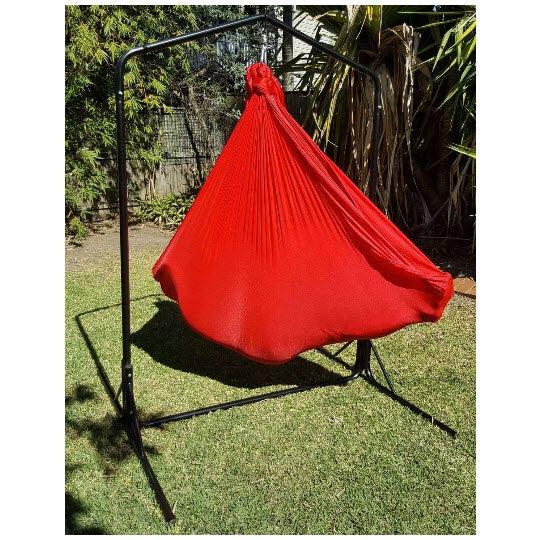
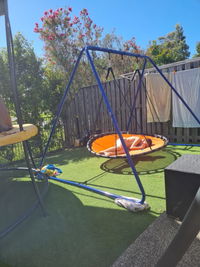
Sensory Swings with Stands
A strong, flexible option when you do not have a suitable ceiling beam or mounting point, making it perfect for renters. Browse our Sensory Swings with Stands.
Frames & Hanging Hardware
Ideal if you already know the swing you want and now need a compatible way to hang it safely. See our Sensory Swing Frames, Ceiling Mount Kits, and Swivels & Carabiners.
How to Choose the Right Sensory Swing
Choosing the right swing depends entirely on the user's physical size and specific sensory profile. Start by deciding who will be using it, as our range covers everyone from babies to adults. Check the individual product page for weight limits, seat style, and intended setup before ordering.
| Feature | Why It Matters | General Recommendation |
|---|---|---|
| Age & Weight Limit | Crucial for safety. OTs recommend checking load capacity for older kids or combined therapy use. | Up to 150kg for Adult/Therapy use; always check individual product ratings. |
| Fabric Material | Stretchy vs. cotton completely changes the sensory experience (deep pressure vs. stable cuddling). |
Lycra/Nylon: Deep pressure (hugging effect). Cotton/Canvas: Gentle cradling (reading/relaxing). |
| Therapy Purpose | Different swings support different developmental goals: calming, vestibular input, or gross motor skills. |
Therapy Wrap Swings: Best for vestibular input and spinning. Pod Swings: Best for calming and emotional regulation. |
Setup & Safety Guidelines
Proper installation is critical for the safety of the user. To ensure you get it right the first time, check out our guide on how to install a sensory swing like a pro and avoid common mistakes. Please also ensure you follow these general guidelines:
- Structural Integrity: Always install ceiling hooks into a solid timber beam, joist, or concrete ceiling. Never attach solely to plasterboard or drywall.
- Rotational Devices: If the swing is intended to spin, you must use a heavy-duty swivel. Hanging a spinning swing from a static hook will damage the fabric and hardware.
- Clearance: Maintain a clear, safe radius around the swing to prevent collisions with walls or furniture.
- Hardware Check: Check fabric, stitching, carabiners, and attachment points regularly for signs of wear.
- Supervision: Adult supervision is required at all times during use.
- Disclaimer: Installation is the responsibility of the customer. If unsure, please hire a professional handyperson. This is not medical advice; consult a qualified OT if choosing a product for specific disability or therapy use.
NDIS Funding & Support
Many of our customers successfully claim these swings under "Consumables" or "Low Cost Assistive Technology." Funding depends heavily on the participant’s plan and the usual reasonable-and-necessary criteria.
- Need paperwork or process guidance? Read our NDIS Guide for current invoicing information.
- Need help choosing the right setup for your plan goals? Contact Us today!
Why Shop With Siesta Hammocks?
✅ Proudly Australian Owned & Operated (ABN 98 351 143 900)
✅ 100% Secure Checkout
✅ NDIS Invoice Support Available
For delivery details, see our Shipping & Delivery Policy. For returns information, see our Returns & Refunds Policy.
Support Development & Sensory Needs
Sensory swings are powerful tools for supporting balance, calming, and sensory regulation. Whether for home therapy or a quiet reading nook, our range is designed to support vestibular input safely and comfortably.
- NDIS Friendly: Eligible options for Consumables or Assistive Tech.
- Therapeutic: Assists with autism, ADHD, and sensory needs.
- Versatile: From stretchy therapy swings to cotton pods.
Common FAQs for Therapy Swings
Are all products on this page traditional sensory swings?
No. This range is much broader and includes enclosed pod swings, stretchy wrap swings, nest swings, freestanding stands, infant seats, senior seats, and related sensory play products.
How to install a sensory swing?
There are a few ways on how to install your sensory swing indoors:
Connect the hanging screw hook to the ceiling
- Connecting the hanging screw hooks
- Find a joist in your ceiling
- Installing your sensory swing
Equipment you need:
Drill
Pencil
Drill Bit
4.Draw the hole location
- Use the ceiling hanging kit to measure where you can drill the holes. Mark its holes with a pencil.
- Please note: The majority of the joists are in different sizes, so some are not wide enough to drill those four bolts.
Solution: Drill at least 2 blots along the joist. Sometimes, two bolts will be enough to support the seat.
Using the drill, drill into the joist where the pencil markings are. Drill each hole. - Clean out the drill using a vacuum, brush, or blowing into the bits. Always use a protective face shield, sunglasses to protect your eyes and not get dust in them.
- Insert the hook into the hole and screw the bolts through the ceiling hook.
- Tighten all the bolts using a screwdriver.
- Connect the carabiner to the sensory swing hook that’s already installed.
- If it’s too high from the ground, you can use a hanging chain kit to extend the seat lower to the floor.
Are sensory swings safe?
Before your child/children use the swing, pull it down as hard as you can to ensure that it’s installed correctly and can carry your child, if there’s no issue, let your child play away!
- Test the weight of the sensory swing for safety
- Hanging Sensory swing Safety instructions
- Test the weight of the sensory swing for safety
Hanging Safety Instructions
- An ideal safety precaution for hanging sensory swing is to put a mat under the sensory swing in case the child falls so it'll not result in any serious injury to the user.
- It's a must that the distance from the ground should not be more than 35 cm.
- All sensory swings are ideal for gentle swinging only and not for strong swinging.
- Always keep the area from where the sensory swing is installed free from dangerous objects such as toys on the ground, or any other object that might cause tripped over, or a nearby object that can bump the sensory swing.
- Requires adult supervision.
Additional information for adults to instruct children to:
- Dress appropriately while using the swing
- Avoid ponchos, scarves, and any loose-fitting clothing that are potentially hazardous
- Ask your child to sit in the centre with full weight when swinging alone.
Additional important information for adults to instruct children NOT to:
- Walk close to, in front of, behind, or between moving items.
- Get on/off the swing while it's still in motion
- Attach any hard objects or items to the swing.
Do Sensory swing work?
Yes, sensory swings can be very effective. They help calm the body and mind, improve balance and coordination, and support emotional regulation . Many parents and therapists find them helpful for children with sensory processing challenges, including autism and ADHD .
What is the difference between a therapy wrap swing and a pod swing?
A therapy wrap swing is usually made of stretchy fabric (like nylon/lycra) that provides deep pressure therapy and allows for bouncing and spinning. A pod swing is typically made of cotton or canvas, offering a stable, semi-enclosed space perfect for reading and calming down.
What should I choose if I do not have a hanging point in my ceiling?
If drilling into the ceiling isn't an option, start with a Sensory Swing with a Stand, or browse our standalone frames before choosing your swing.
Do these swings come with installation hardware?
Most of our swings include basic hanging hardware (like ropes and carabiners), but specific ceiling mounts (like concrete bolts or wood screws) may need to be purchased separately depending on your home's ceiling type. Always check the individual product description for exactly what is in the box.
Which options are suitable for adults?
Adult suitability depends entirely on the individual product’s physical size and weight capacity. Please compare each listing carefully rather than assuming the whole range is adult-rated. To make it easier, you can browse our dedicated Adult Sensory Swings category.
Let customers speak for us
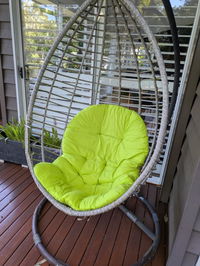
Comfortable cushion, great service!
I ordered a new cushion for my very old and tired egg chair. I was delighted the cushion turned up in only 3 or 4 days, and it looks great. Perfect timing for spring - I can now retire to my comfortable chair with my book in the sunshine. Very pleased!
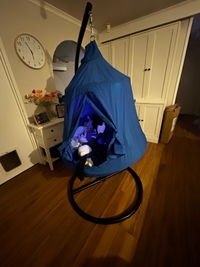
Hideout hanging tent
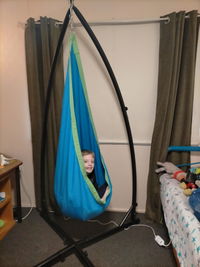
My son absolutely loves his hanging tent, he is in there all the time, and it has been a great space for sensory regulation.
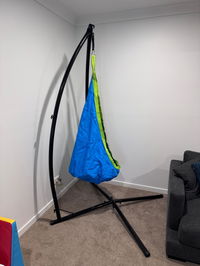
Sensory swing with stand
Extremely happy with the sensory swing and stand that we ordered through siesta hammocks, it’s great quality and very durable. My son loves it!
Stuart
Double Size Brazilian Hammock in Cerulean Colour
Great hammock and fantastic delivery
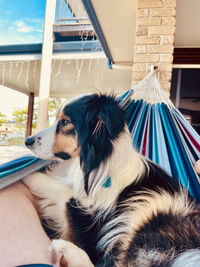
I have struggled to find hammocks long enough to fit between my two veranda columns. These are perfect, longer than most, well made and bloody comfortable 😂
Delivery was within two days and I ordered on a Sunday AAA+++ rating on all aspects.
PS the dog loves it too 🍻
Excellent
Very happy with this product. Thank you
Kimberley Kidd
Blue Waterproof Outdoor Sensory Swing Pod Chair
Great little pod
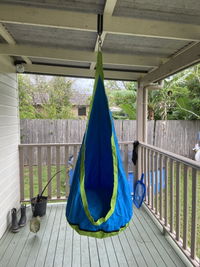
easily hung and amazing materials very durable . Kids love spinning and swinging in it.
Amazing!!
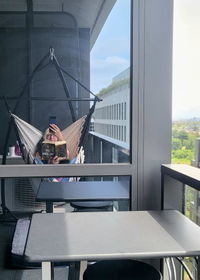
I bought this hammock chair with the frame and absolutely love it! It is great on my balcony, and I spend many hours reading my book in it. Absolutely love it!! Super comfy, roomy and my new chill out zone at home ❤️
Love this place good customer service
Love this place good customer service always answers my emails back straight away and always been so helpful I've bort like 5 things thru them my son loves it thanks guys will be getting more stuff soon!

Excellent
Size, colour, fit -- all exactly what we had hoped for.

Great Swing
Well made, love that the padding on the side is covered by the fabric so it won't perish fast outdoors.

Pod chair cushion
Product was delivered as described and in a timely manner. Very happy,

Great
Delivered on time..great prices and good quality hammocks.

Egg chair cushions
Bought two cushions in black they look amazing and are very comfortable highly recommended

Therapy Sensory Swing with Hammock Chair Stand
Wonderful
Great colour. Comfortable.


